

games for future fashion designers
Digital Clothing: The Future of Fashion
Freelance 3D fashion artist Diego Muñoz Fernández states that "everyone has at least one piece of clothing that doesn't get used because it was for a special occasion." Whether you bought it for a trendy picture or a once-in-a-lifetime event, it has been relegated to the back of your closet, likely never to be seen or worn again. But what if that no-longer-necessary piece of clothing never existed outside of a phone or computer screen to begin with? Fernández, working from Alicante, Spain, creates pieces that are not worn physically, but rather virtually, as digital fashion.
Digital fashion is clothing that is built using computer technology and 3D software. It's "an art form which allows you to create new and amazing things mixing technology and fashion," Fernández says. Think dresses that defy the laws of physics, fur coats that don't result in animal cruelty and sneakers that look like they're on fire. Submit a picture of yourself, insert your credit card information and get a brand new, stylish fit directly on your phone. "It doesn't take up physical space and it fits anytime, no matter if you gain or lose weight," Fernández says. "You can wear it for pictures and even videos with the AR (augmented reality) technology."
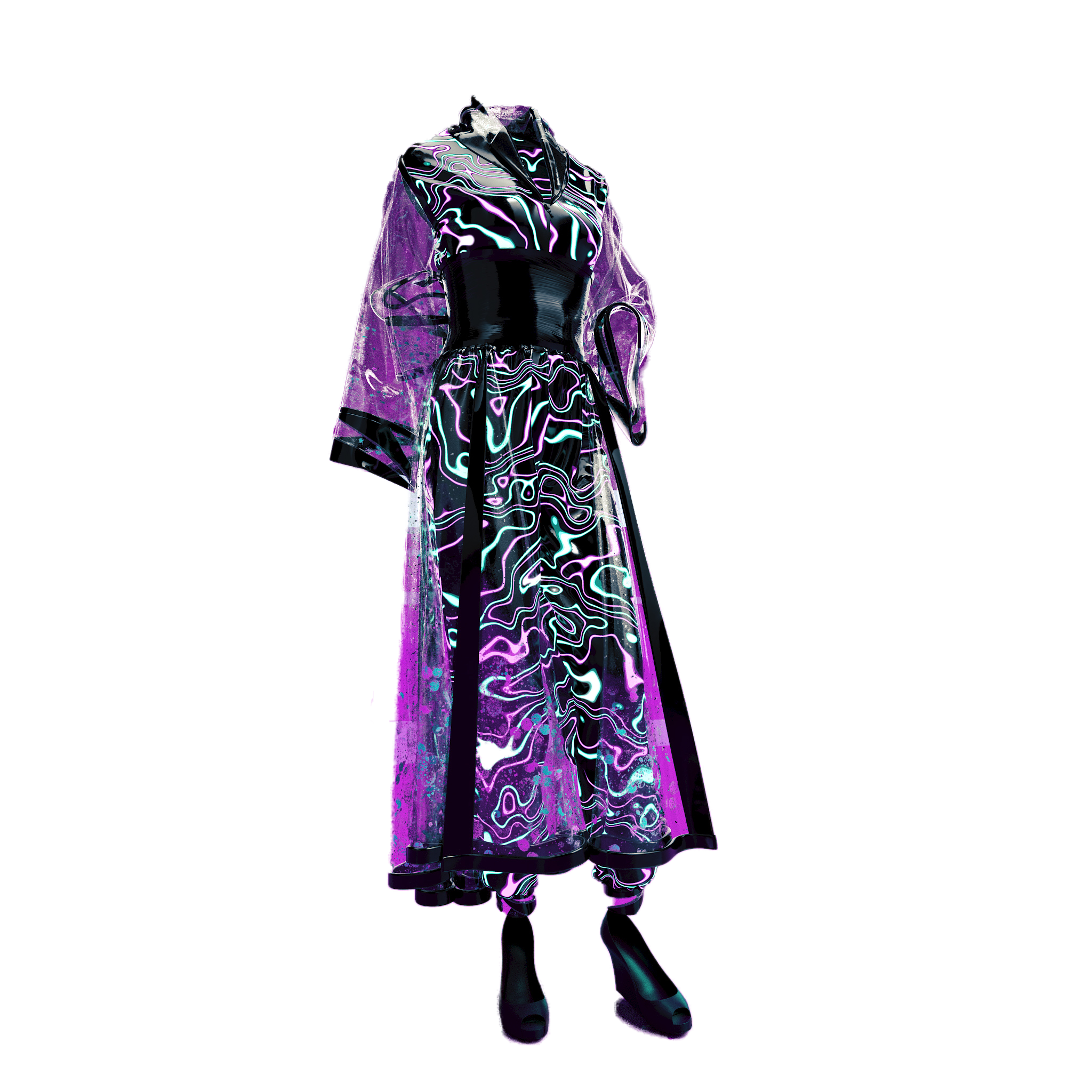
Image by @3dbehemoth
Even your video game avatars can share in these groundbreaking styles. With digital fashion "you can dress your digital avatar or play video games in a more fashionable way," Fernández says. The gaming industry is actually tightly intertwined with digital fashion. Designers find inspiration through video games, and sometimes their work even ends up in these virtual worlds. "I played Death Stranding and was so inspired by the characters," says Alexander Kurmanin, a twenty-one-year-old digital fashion designer from Nizhny Novgorod, Russia. "I realized that I wanted to do something just as cool and conceptual." From luxury labels like Gucci and Valentino to indie brands, the crossover between fashion and electronic games is constantly augmenting. Now, gamers can don Gucci in "The Sims 4," Louis Vuitton in "League of Legends," and Chanel in "Animal Crossing."
Still, purchasing a piece of clothing that you will never actually receive can seem like a tough sell. While you can wear it in an Instagram post or thirty-second TikTok, you can't actually wear it out to a fancy dinner. Kurmanin asserts that there are a multitude of reasons to shop digital fashion. "Someone is attracted by the new fashion trend; someone is concerned about the huge overconsumption and overproduction of clothes; and for someone else, it's an opportunity to show their real self," Kurmanin explains. "Do you know how difficult it is to be yourself in Russia? If you are a man, then you cannot wear a dress without judgment, but in the digital world it is possible."
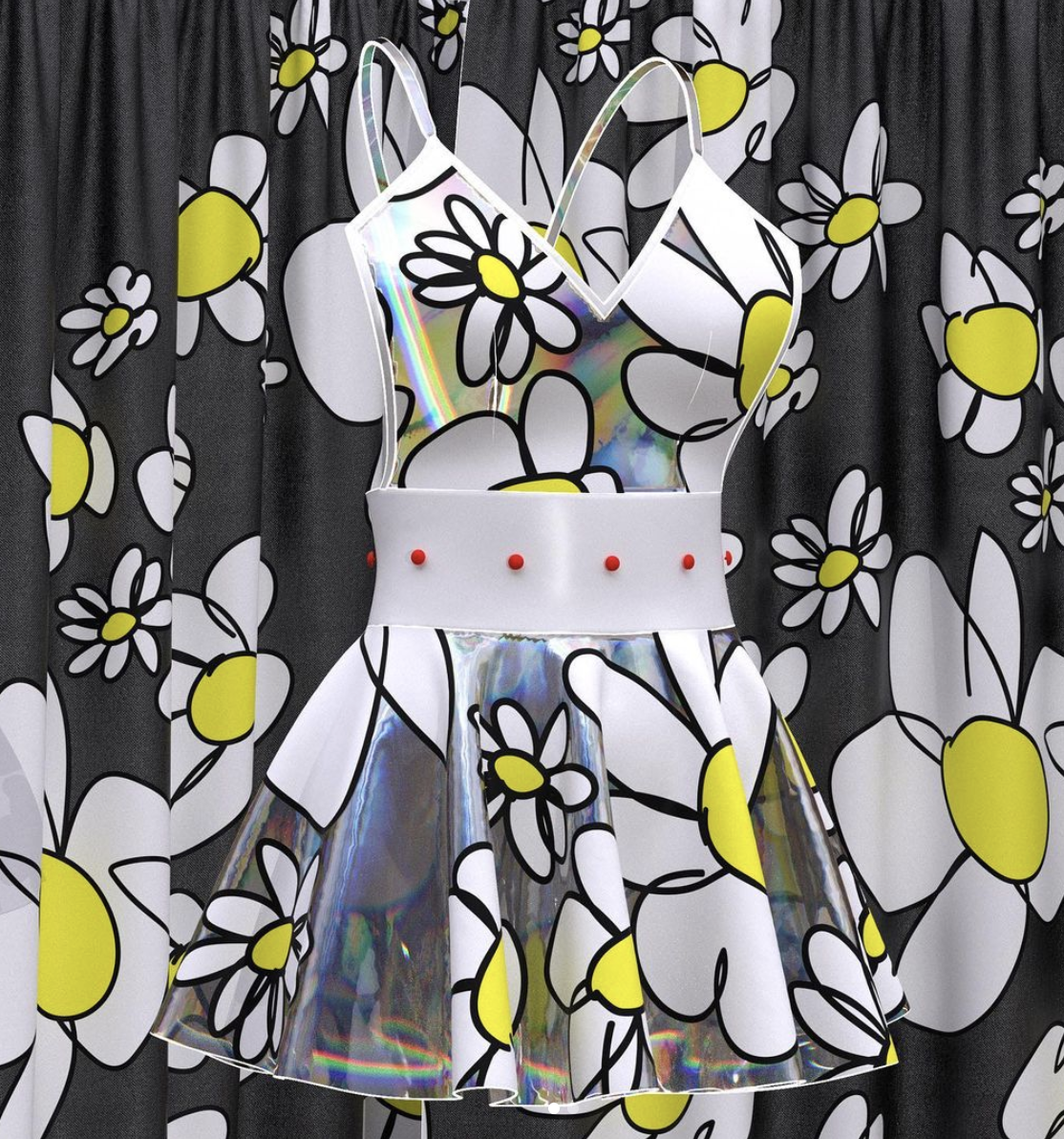
Image by @kurmanin_tailor
Aside from the incredible opportunities for self-expression that digital fashion provides (where else can you find flaming sneakers and dresses made of real human brain scans?), a major plus of virtual clothing is the benefits that it has for the environment. "Fashion is one of the most polluting industries," Fernández says, "so digital fashion could really reduce that impact."
According to the BBC, the average American throws away almost 82 pounds of clothes every year. Because of the rapid rate at which new styles develop, people are constantly purchasing fast fashion to keep up with ever-changing trends. But with digital fashion, you can post fit checks in these new styles, without resorting to fast fashion. "It saves the planet's resources because now you don't have to buy fashionable clothes every month," Kurmanin says.
Aside from the waste associated with overshopping, digital fashion also helps to make the clothing creation process much more sustainable. Kurmanin, who worked as a tailor before transitioning to digital fashion during quarantine, considers the digitalization of fashion to be a huge breakthrough for clothing production. Instead of sewing needles and heaps of unused fabric, designers like Kurmanin and Fernández simply use their computers. "I use at least four different softwares to create my 3D fashion," Fernández says.
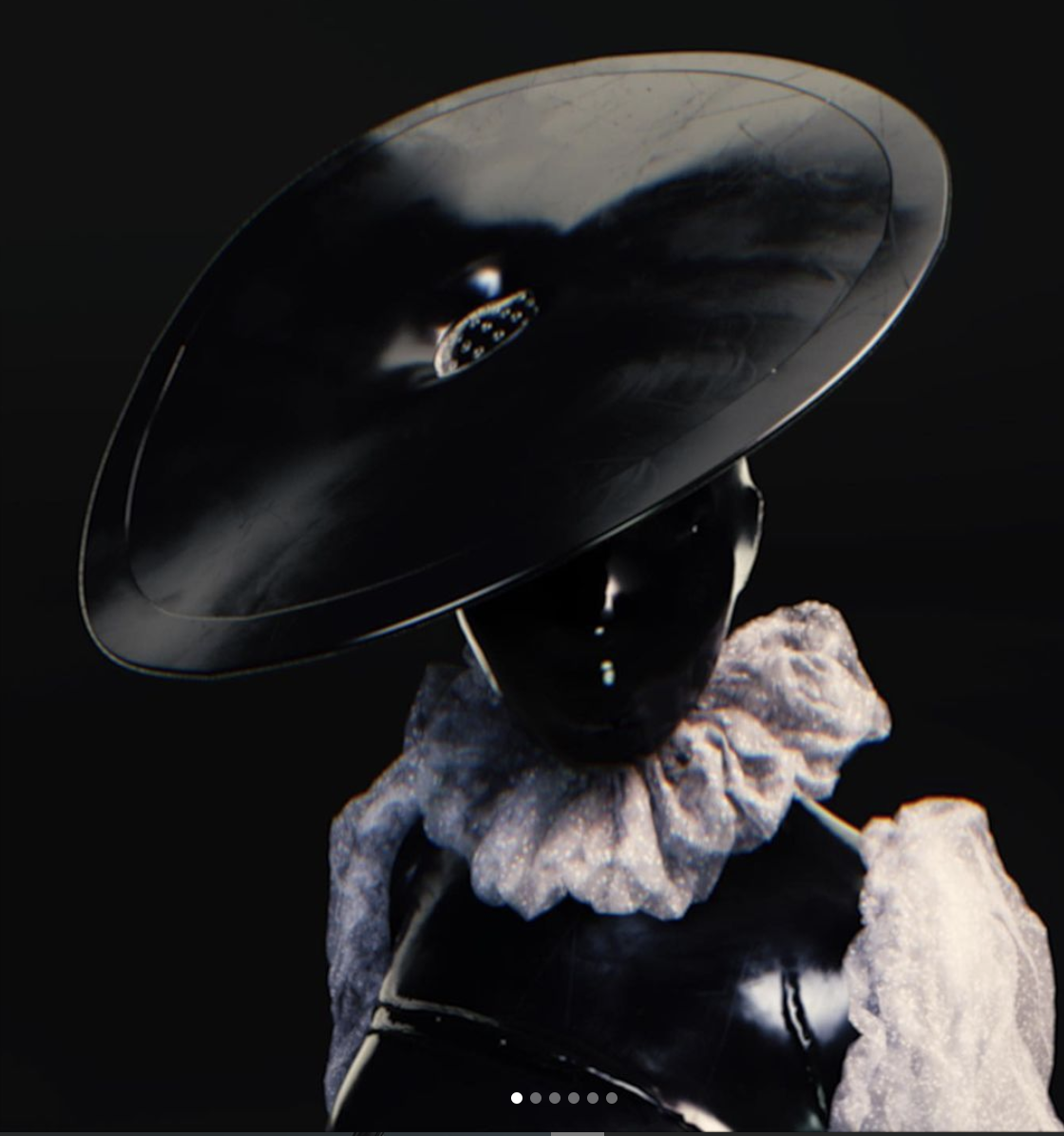
Image by @3dbehemoth
As for inspiration, Fernández looks to everything from drag queens and musicians to fashion designers and fellow 3D artists. Digital fashion truly gives designers the opportunity to create groundbreaking, physically impossible designs.
Fernández's newest collection, entitled "Tessellated Gemstones" features a fun, asymmetrical dress inspired by the opaque black surface of onyx and "made of" black velvet fabric. On Fernández's Instagram, you can find a video of the dress virtually modeling itself. Although there is no actual model in sight, the dress walks, moves, and poses as if someone is strutting it down the runway.
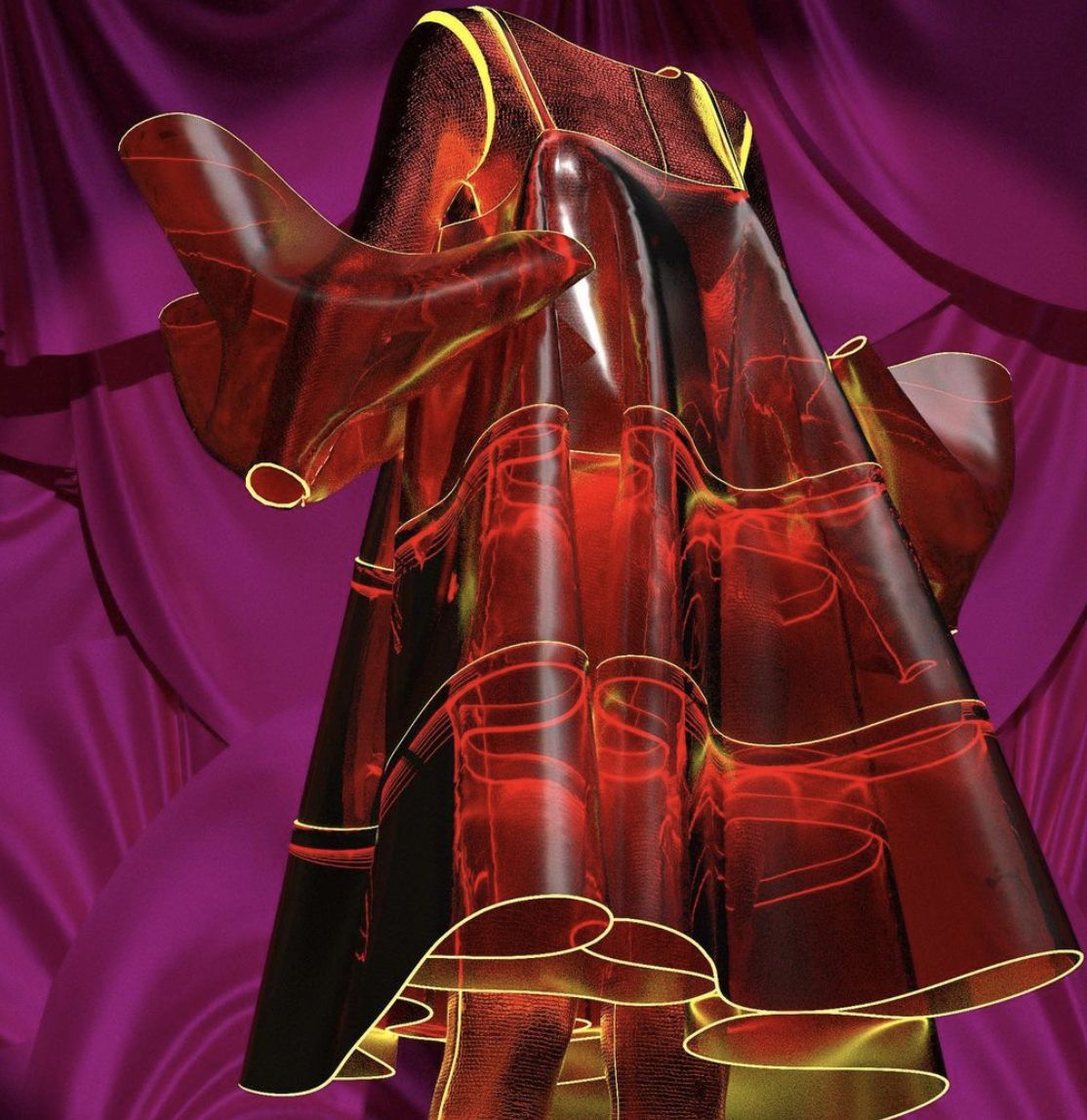
Image by @kurmanin_tailor
Fernández and Kurmanin are not the only 3D fashion designers out there. In fact, as Kurmanin puts it, "digital fashion is engulfing the fashion industry." So rather than splurging on an expensive dress that will be worn once and then forgotten in the back of your closet, consider shopping for your new favorite fit virtually. Even influencers like Instagrammer Daria Simonova and Euphoria actor Angus Cloud are donning digital clothes, and it seems as though this trend is only growing. "Fashion is being reborn before our eyes," Kurmanin says, "and progress cannot be stopped."
games for future fashion designers
Source: https://www.affectionmagazine.com/master-blog/digital-clothing-the-future-of-fashion
Posted by: messingerthatimetat.blogspot.com
0 Response to "games for future fashion designers"
Post a Comment